|
Where Business, Finance and Skyscrapers meet Medieval London:
|
|
Did you know?
11,000 people live in the City of London
(the square mile) but 330,000 people
come to work there every day!
(the square mile) but 330,000 people
come to work there every day!
Explore how old and new London sit side-by-side.
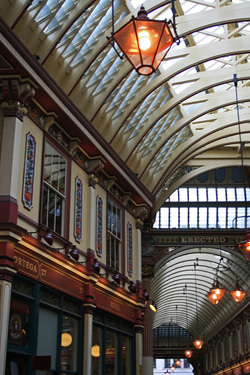 Leadenhall Market, the City, London
The City of London is the area that was occupied by the Romans who built the original walled city. The size of the area is just over one square mile so it is often called 'The Square Mile'. Since the 1970s, skyscrapers have dominated the skyline. Hiding between the new buildings, there are many old and beautiful ones. |
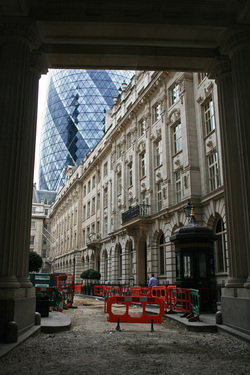 St. Helen's Place
We meet at Old Street Tube Station (exit 5) on the underground (Northern Line - city branch) In a nearby café, we introduce ourselves over a coffee. On the walk, we see:
|
Expect to see bankers, office workers and businessmen and women rush along the pavements.
Did you know?
A bridge has existed on the site of London Bridge since the Roman times.
|
|
|
Go over the new vocabulary at the end We finish in The George Inn pub near London Bridge. This 17th century pub is the oldest coaching inn in London. Both William Shakespeare and Charles Dickens drank here. We relax over a coffee to go over the new vocabulary together. |
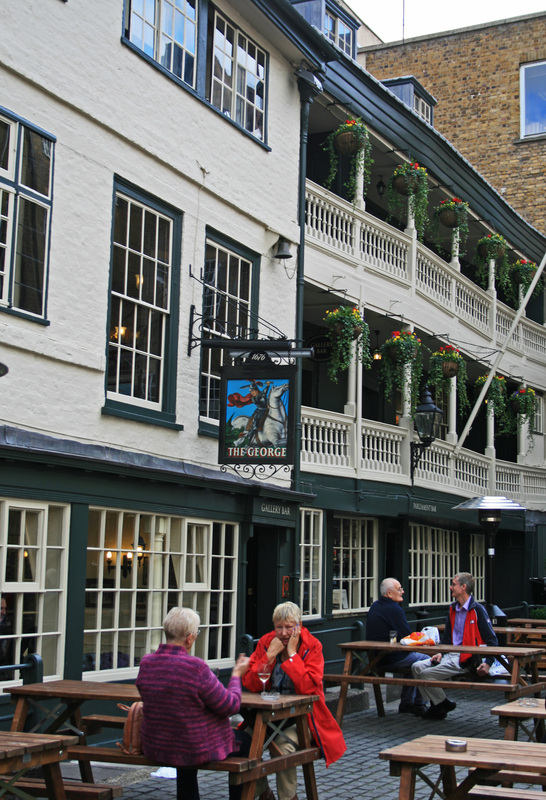
The George Inn, 1686
|
The George Inn is a short walk to London Bridge Station where you can get a train to London Waterloo, Charing Cross or trains to south-east London e.g. West Croydon and Lewisham, or Wimbledon in south-west London. London Bridge Underground is on the Northern Line (city branch) |
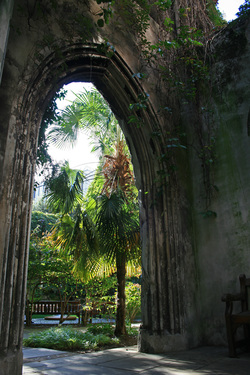 St.Dunstans-in-the-east
Don't forget the VOCABULARY!
|
Did you know?
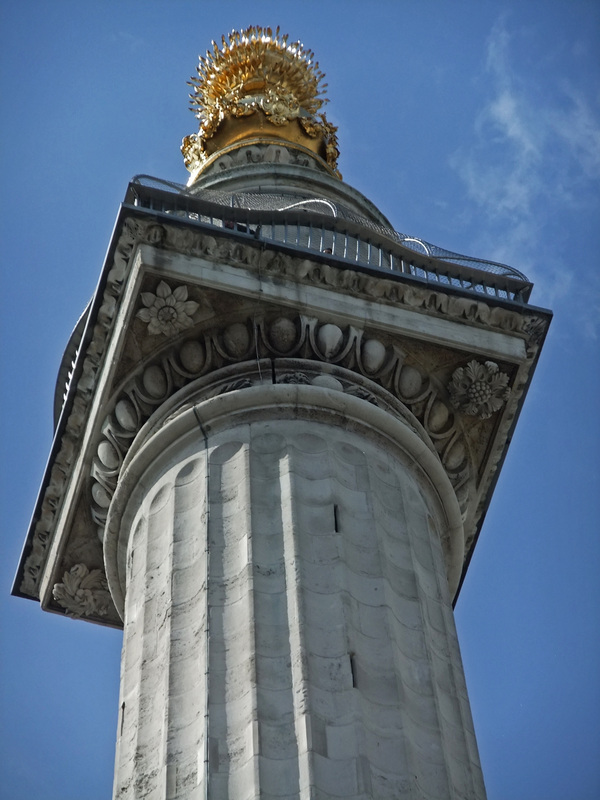
The Monument is 202 foot (61.6 metres). It is the exact distance between it and the source of the Great Fire of London, 1666. 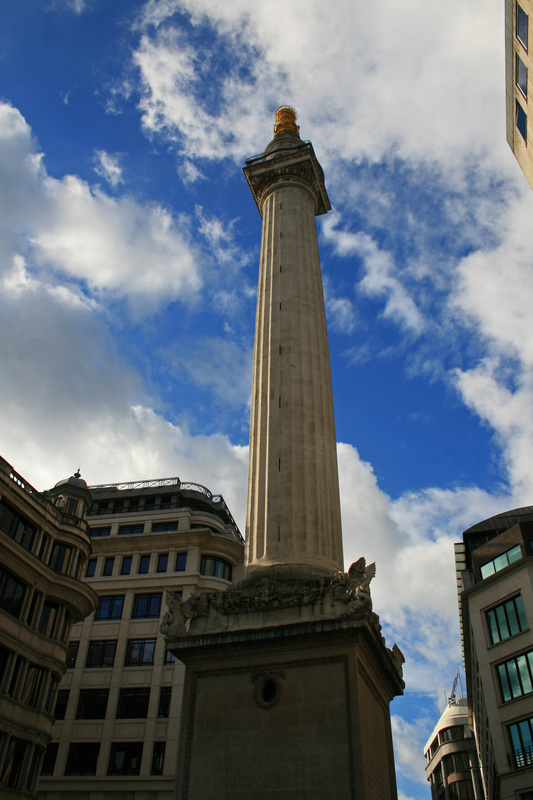
The Monument to the Great Fire of London, 1666
|
Did you know?
The City of London is the area within the original
old walled city built by the Romans. It is just over one square mile in size, which is why it is called 'The Square Mile.' 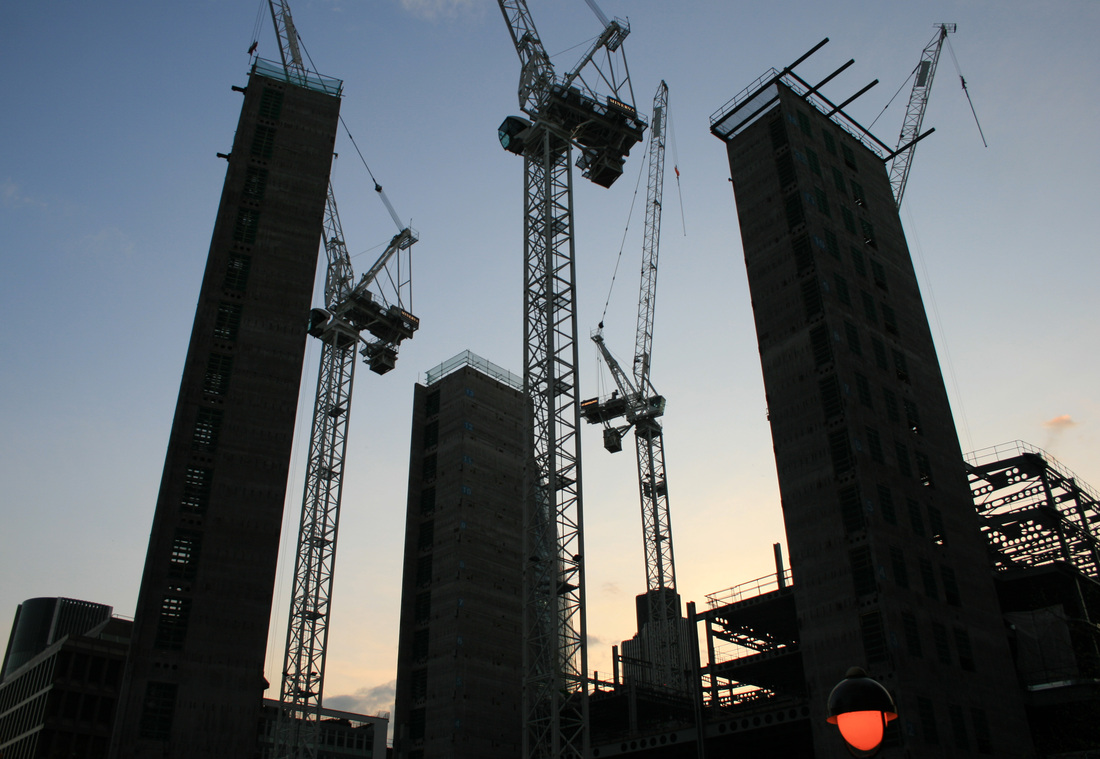
Construction continues in this area
|
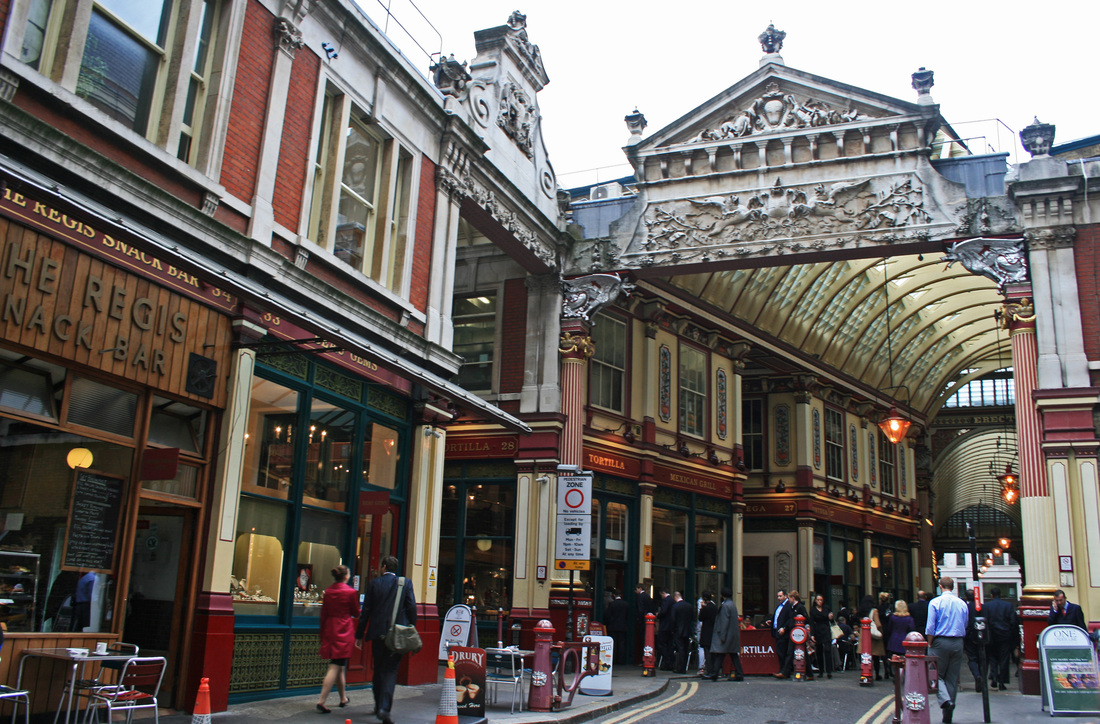
Leadenhall Market, The City
History notes will be given to you at the end. |
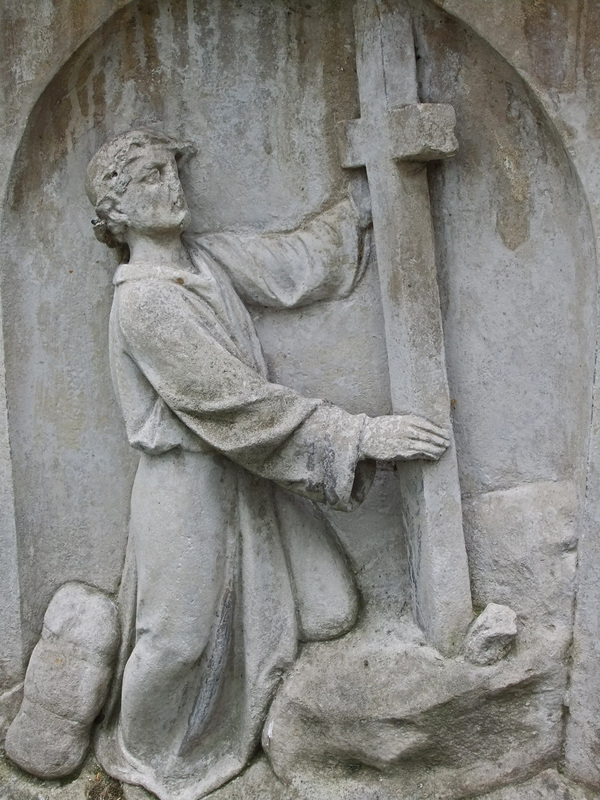
Detail on the tomb of John Bunyan (writer of The Pilgrim's Progress)
|
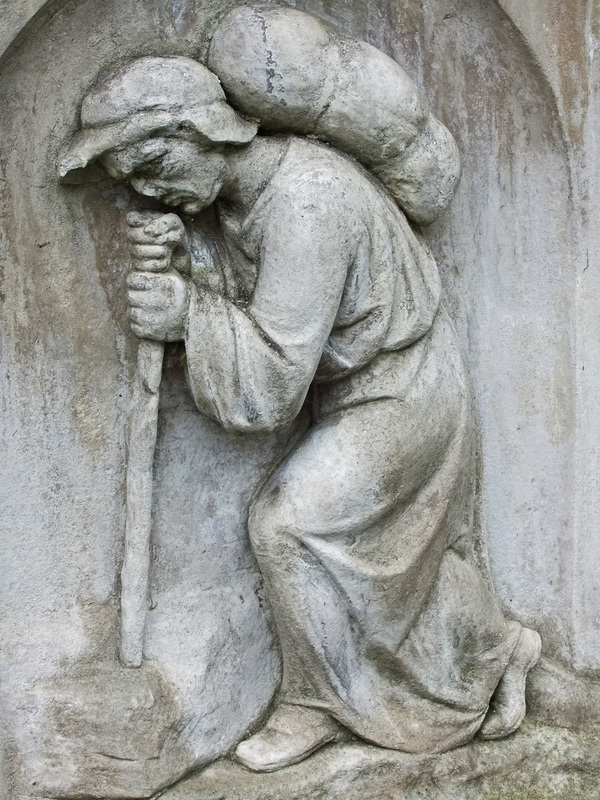
Detail on the tomb of John Bunyan (writer of The Pilgrim's Progress)
|
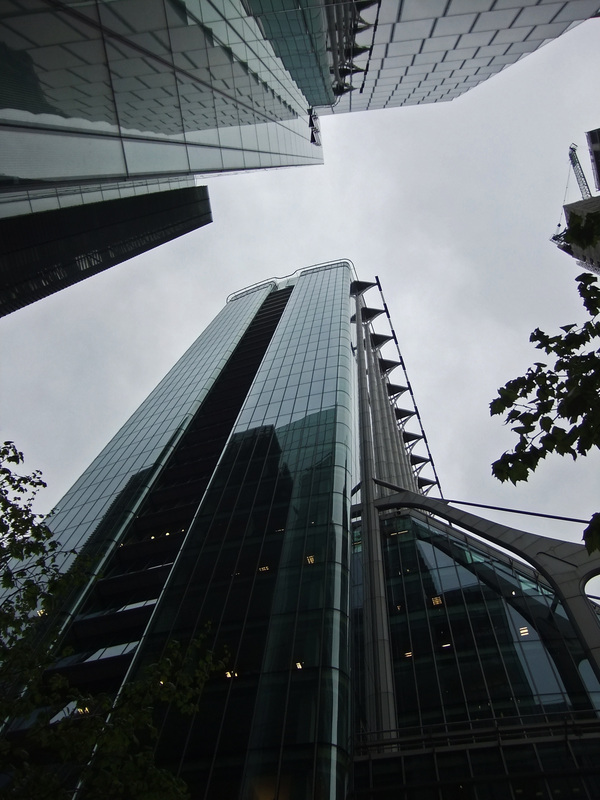
Skyscrapers tower above
|
|
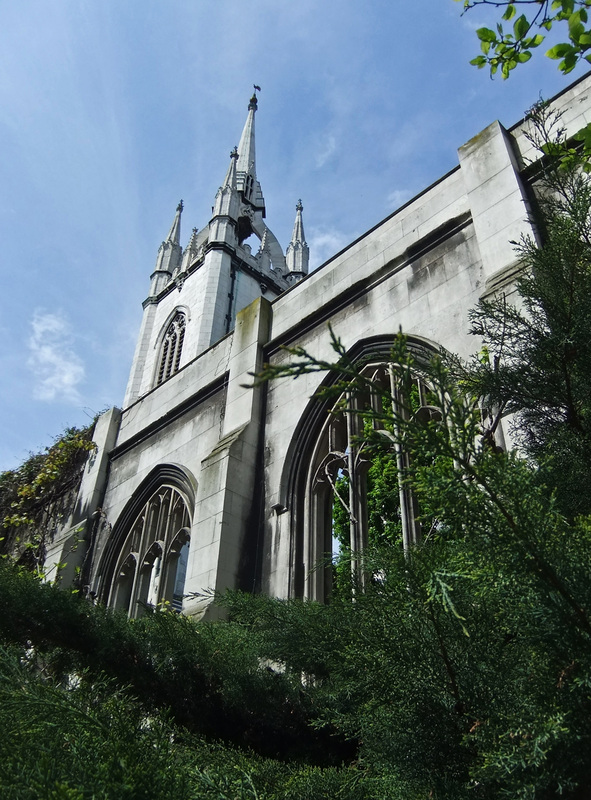
St. Dunstan-in-the-East
|